
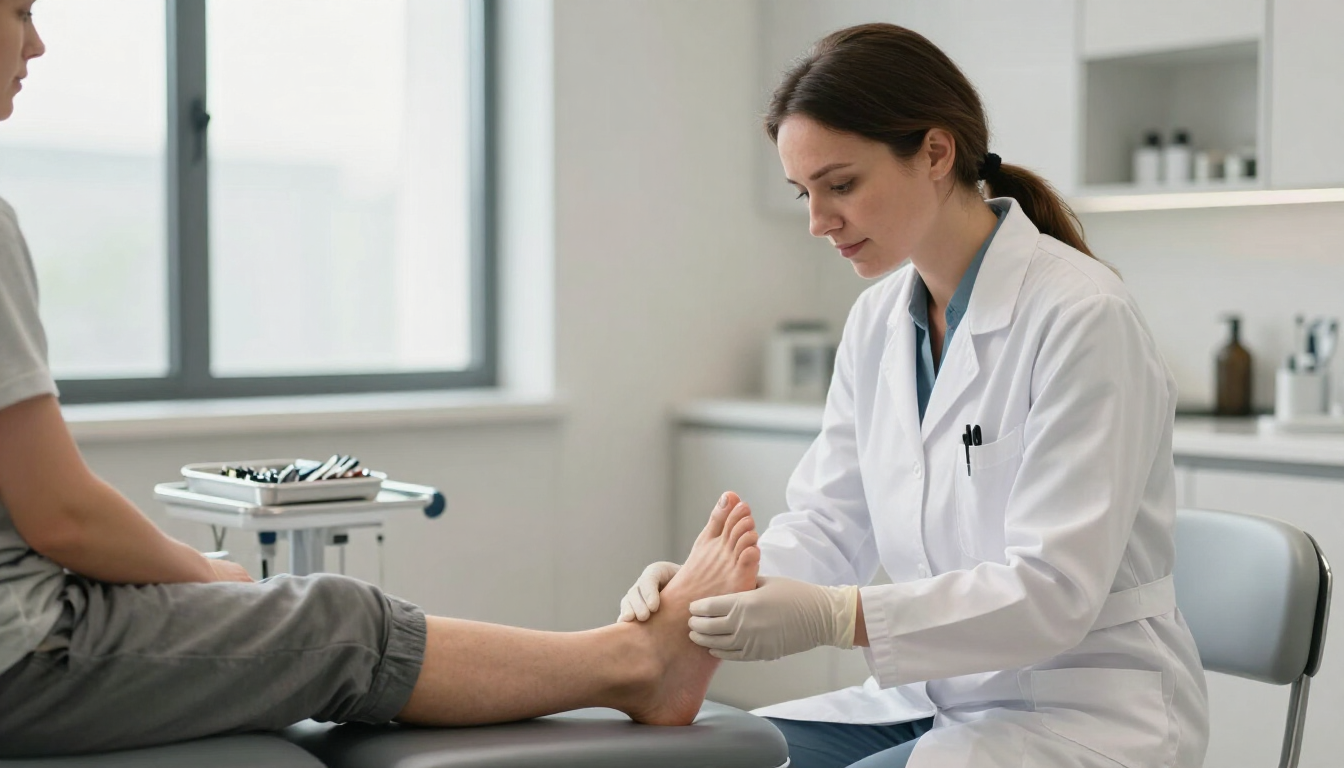

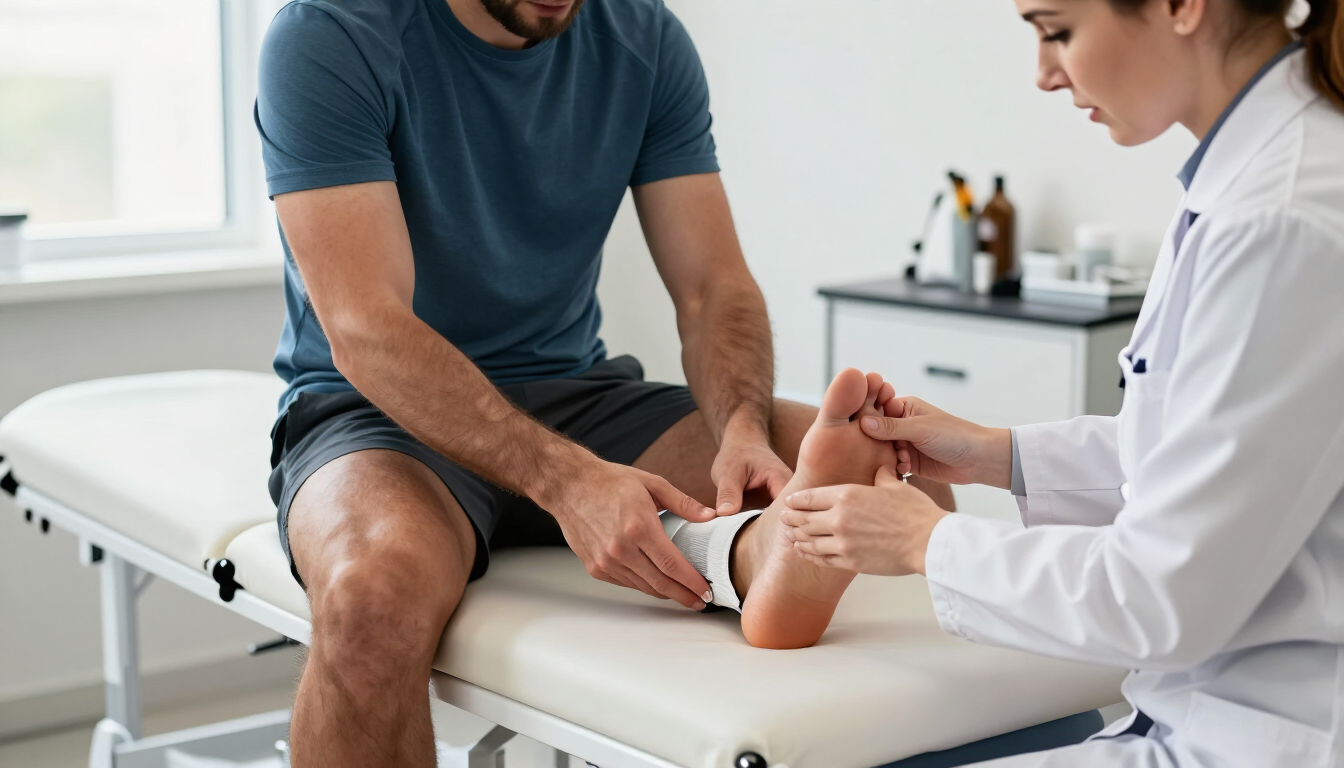
Learn how sports medicine in podiatry helps diagnose foot and ankle injuries, speed recovery, and safely return to activity with practical treatment steps.
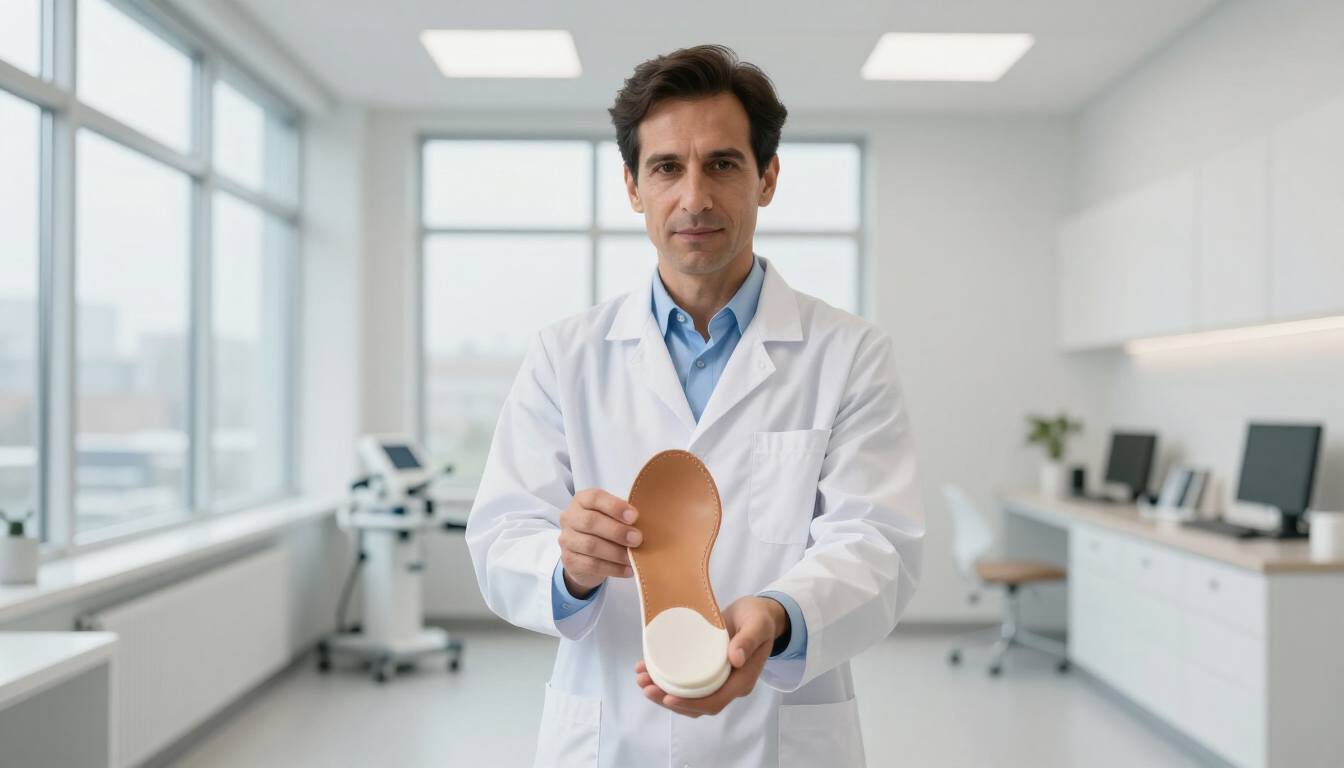
Discover the life-changing benefits of custom orthotics. From relieving heel pain to correcting alignment, see why personalized foot support beats store-bought inserts.

Keep your feet healthy and pain-free this season with our essential summer foot care tips. Learn how to prevent swelling, blisters, and fungal infections today.

Stay active and pain-free this Foot Health Awareness Month. Learn about heel pain, orthotics, diabetic foot care, and sports injury treatment options.
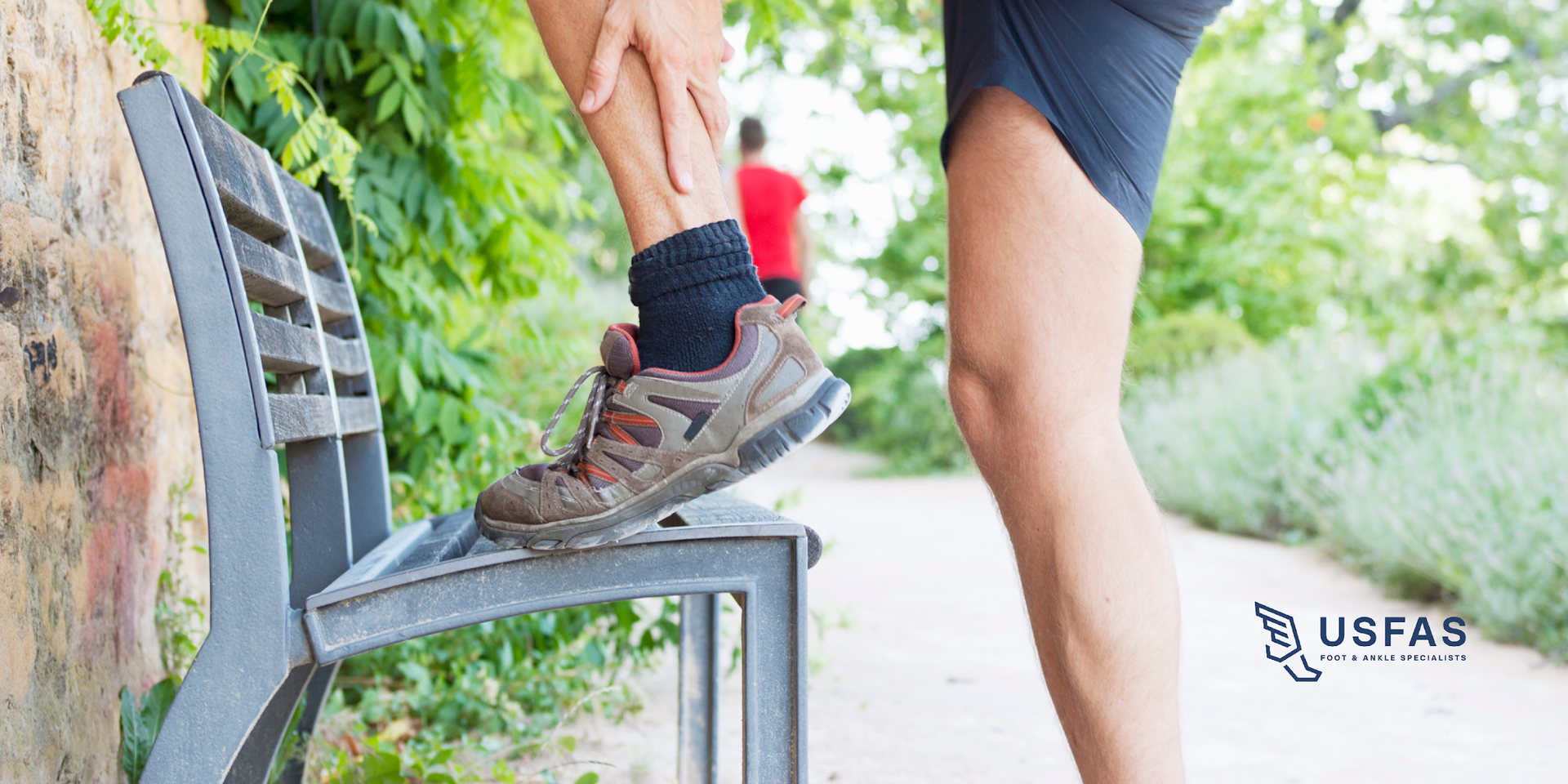
Achilles tendonitis can develop gradually, causing heel pain and stiffness that worsens over time. Learn the warning signs and how a podiatrist can help you get back on your feet.
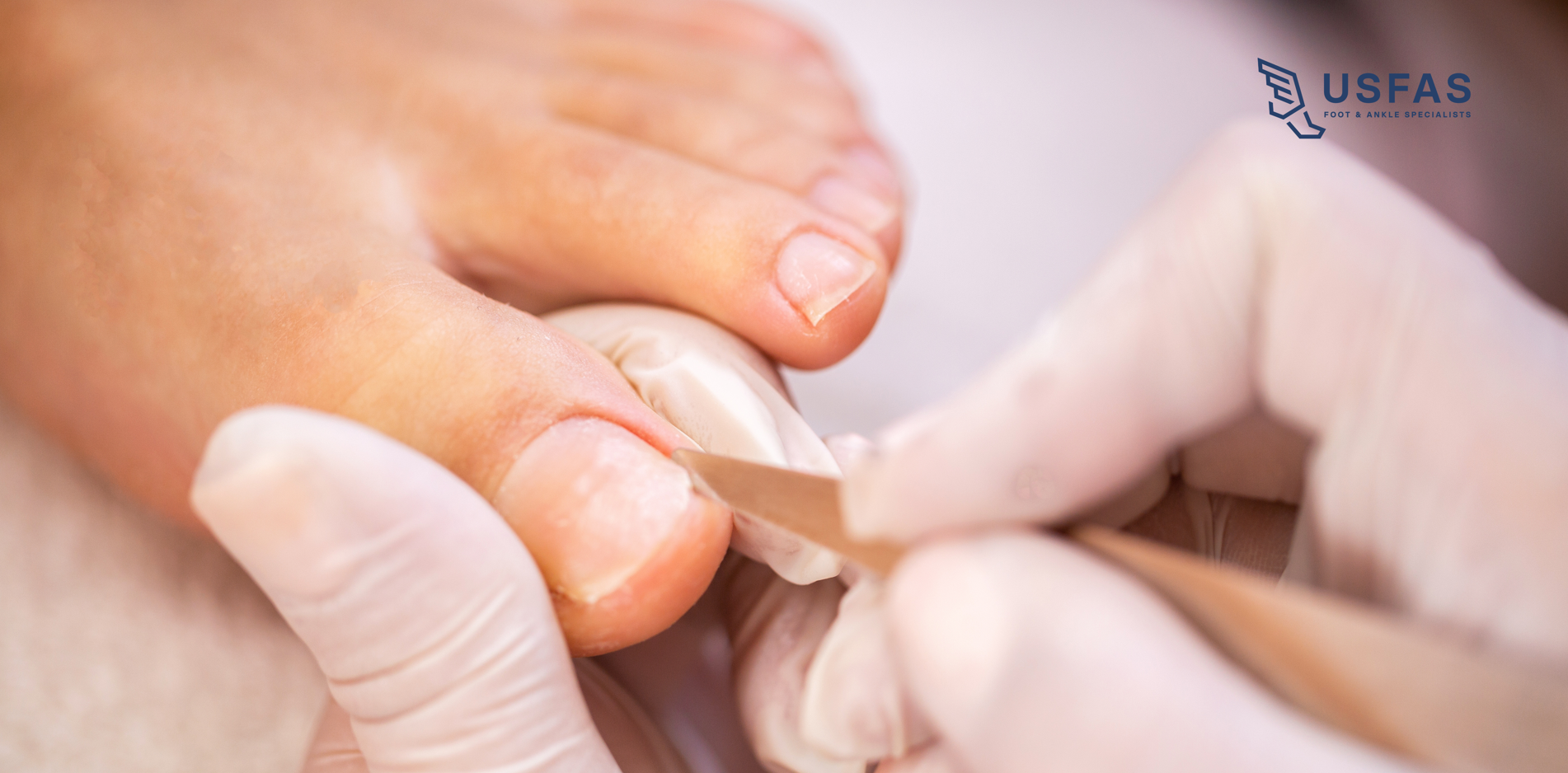
Ingrown toenails are a common foot condition that can start as a minor irritation and quickly become painful. Learn more about how we can help with ingrown toenails.
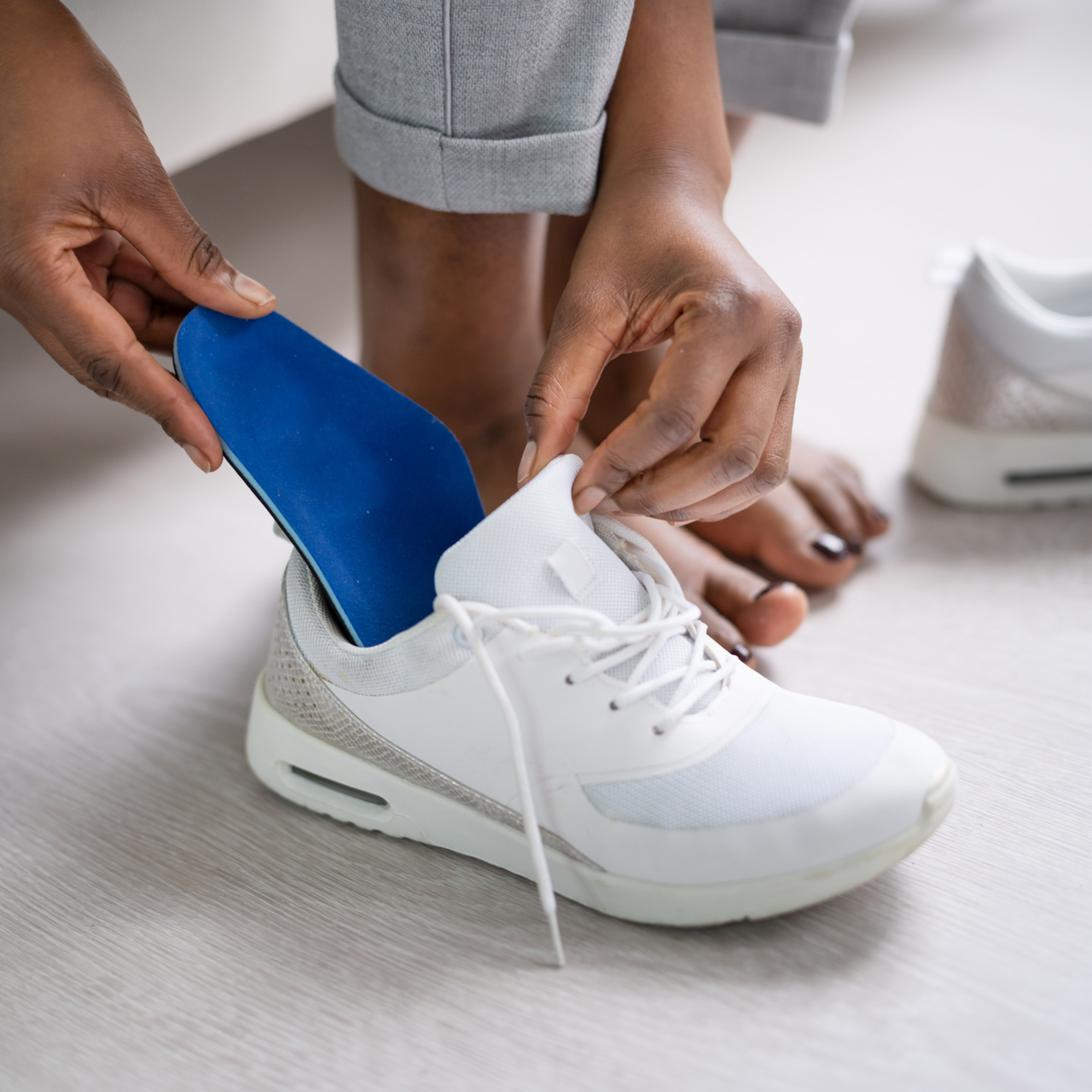
Your feet are the foundation of your entire body — when they’re not properly supported, it can lead to pain not just in your feet, but in your ankles, knees, hips, and back, too. That’s where custom orthotics come in! What Are Custom Orthotics? Custom orthotics are medical-grade shoe inserts that are specifically designed for your unique feet, gait, and needs. Unlike over-the-counter insoles, custom orthotics are crafted based on a detailed assessment by your podiatrist, ensuring the perfect fit and support for your lifestyle. Who Can Benefit from Custom Orthotics? Custom orthotics can help people with: ✅ Flat feet or high arches ✅ Plantar fasciitis or heel pain ✅ Bunions or hammertoes ✅ Arthritis ✅ Sports injuries ✅ Foot, ankle, knee, hip, or lower back pain caused by poor alignment How Do They Work? Custom orthotics work by redistributing pressure and correcting misalignments, which helps your feet function properly and comfortably. They can also help prevent future problems by providing the support you need with every step. Ready to Feel the Difference? If you’re experiencing foot or lower body pain, custom orthotics may be the solution you’ve been looking for. Schedule an appointment today and let our foot specialists help you step into lasting comfort and support!

Your feet are the foundation of your body, supporting you with every step you take. We understand that maintaining foot health is crucial to your overall well-being and mobility. In honor of April being National Foot Health Awareness Month, this blog explores why foot health should never be overlooked and provides tips for keeping your feet healthy. Why Foot Health Matters The human foot is a complex structure of 26 bones, 33 joints, and over 100 muscles, tendons, and ligaments. This intricate design allows for movements such as walking, running, and jumping. However, it also means that many things can go wrong if not cared for properly. Poor foot health can lead to a range of issues from simple aches and pains to more severe conditions like plantar fasciitis or diabetic neuropathy. Moreover, problems in your feet can affect other parts of your body, including your knees, hips, and back. Tips for Maintaining Healthy Feet Regular Check-ups: Just like regular dentist visits, regular check-ups with a podiatrist, especially during National Foot Health Awareness Month, can help catch foot problems before they become serious. Proper Footwear: Wear shoes that fit well and provide good support. Different activities require different types of shoes – what you wear for running is not suitable for a day at work. Foot Hygiene: Wash your feet daily, dry them thoroughly to prevent infections, and change socks daily. Stay Active: Regular exercise helps keep your feet and body healthy. Remember to stretch your feet and ankles before and after workouts. Manage Your Weight: Extra weight puts additional pressure on your feet, increasing the risk of foot disorders. Common Foot Conditions and Treatments Plantar Fasciitis: Often felt as heel pain, treated with exercises, proper footwear, and sometimes orthotics. Bunions: Misaligned big toe joints that can become swollen and tender. Treatment options include wearing comfortable shoes, pads, and in severe cases, surgery. Diabetic Foot Care: People with diabetes need to take extra care of their feet as poor blood circulation and nerve damage can lead to serious foot problems. We believe in a proactive approach to foot health. Whether you're an athlete, a busy professional, or enjoying retirement, taking good care of your feet is a step toward a healthier life. Celebrate National Foot Health Awareness Month with us and schedule an appointment today to learn how you can better care for your feet and enhance your overall wellness.
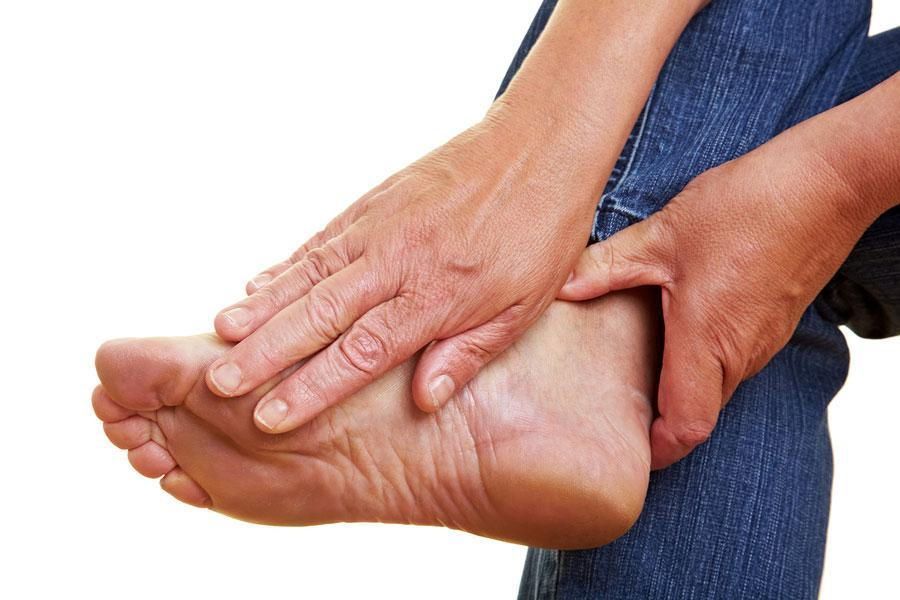
A Hammertoe is a deformity of the toe that causes the middle joint to bend, resembling the shape of a hammer. If you have hammertoes, you should seek medical attention. The sooner you seek treatment, the likelier it is that the problem won't get worse. Dr. Raymond DiPretoro Jr. and Dr. Aahba M. Suchak at Advanced Foot and Ankle Center in Newark and Wilmington, DE, are your podiatrists for the treatment of hammertoes. About Hammertoes Hammertoes are painful deformities of the toes, and often affect the middle three toes. Initially, hammertoes may be flexible, but over time, they may become rigid and require surgery to straighten the toes. Because hammertoes are progressive, they should receive early medical attention, as they won't get better without some kind of intervention. Causes of Hammertoes Some causes of hammertoe are poorly fitting shoes, high heels, foot injuries, and medical conditions that affect the nerves and muscles, such as diabetes and arthritis. Women are more likely to develop hammertoes than men. The risk of developing a hammertoe increases with age. Genetics can also play a role in hammertoes, Hammertoes may run in families. Hammertoes can be a serious problem for diabetics and people with poor circulation. Symptoms of Hammertoes Deformity is usually the first symptom of hammertoe. Patients with hammertoes may have calluses or corns on the top of the middle joint of the toes or on the tips of the toes. They may feel pain in their toes and have difficulty finding footwear that is comfortable. At first, they may be able to move and straighten the deformed toes. Over time, they will no longer be able to move the deformed toes. Hammertoe Treatments in Newark and Wilmington Padding and taping is the first step in a treatment plan. Padding and taping the hammertoe prominence relieves the stress and pain and allows the patient to continue a normal, active life. Cortisone injections and anti-inflammatory medications can be prescribed to relieve pain and inflammation caused by the deformity. Custom-fitted shoe inserts called orthotics made by your foot doctor may ease your discomfort and prevent the worsening of the deformity. When the hammertoe is not resolved with the above methods, surgery may be necessary. Don't let a hammertoe knock you off your feet. If you have hammertoes, call Advanced Foot and Ankle Center at 555-555-555 today to schedule a consultation in Newark and Wilmington, DE. Our hammertoe treatments will ease your pain and help you get back to a normal, happy, and healthy life.

Find out if the symptoms you’re experiencing could be trying to tell you that you have a stress fracture. A stress fracture occurs when a tiny crack in the bone of your foot or ankle develops. More often than not stress fractures come about over time due to overuse, which is why a lot of athletes experience this problem at some point during their lifetime. Are you wondering if your discomfort could actually be a stress fracture? Our Newark, DE, podiatrists, Dr. Raymond DiPretoro, Jr. and Dr. Aahba M. Suchak, are here to help you figure out if it’s time to schedule an evaluation with us. How do stress fractures happen? As we mentioned above, this is a problem that commonly plagues athletes and runners because stress fractures often arise from overuse or from performing repetitive movements. Of course, if you suddenly change the intensity or duration of a workout you may also find yourself dealing with this problem. It’s important that you are warming-up and conditioning your body properly before exercising or adopting a new workout routine. Those with other health problems such as osteoporosis or arthritis may also be prone to stress fractures in the feet and ankles. What are the symptoms of a stress fracture? Pain is the number one indicator of a stress fracture. Of course, a lot of injuries and other problems can lead to foot and ankle pain so you’ll want to visit our Newark foot doctors for a proper and comprehensive foot evaluation to determine the true source of your pain. If you have a stress fracture, pain may get worse when walking or putting weight on the foot but the pain may subside when resting. The pain may be exacerbated throughout the day depending on your activity level. There may also be some swelling present on the top portion of the foot or around the ankle (depending on the location of the stress fracture). The area may also be tender to the touch or there might be some minor bruising. If you suspect that you have a stress fracture it’s important that you schedule an appointment with us right away so that we can diagnose and treat your condition as soon as possible to prevent complications. Don’t ignore changes in the health of your feet. Our team of foot care specialists at Advanced Foot & Ankle Center in Glasgow, Wilmington, and Newark, DE, are here to make sure you get the care you need to speed up recovery and get back to your daily activities. Call our office at 555-555-555 to learn more.